


Exploring Effective Supplements for Stress Management
Essential Insights on Ashwagandha

Ashwagandha is a powerful adaptogenic herb recognized for its efficacy in reducing cortisol levels, often labeled as the stress hormone. Its ability to promote relaxation makes it a favored option for individuals seeking natural ways to manage stress. When taken consistently over several weeks and in the right dosages, many adults find a notable improvement in their sense of calm and overall well-being.
Studies indicate that ashwagandha may enhance resilience to stress by stabilizing hormone levels and bolstering the body’s capacity to confront challenging circumstances. This herb is available in various formats, including capsules, powders, and tinctures, catering to diverse preferences. Users frequently observe that adding ashwagandha to their daily routine results in significant improvements in mood and stress management.
To achieve the best outcomes, selecting a high-quality ashwagandha supplement is crucial, as potency can greatly differ among manufacturers. Seek products offering standardized extracts to guarantee consistent levels of active ingredients. Consulting a healthcare professional can also aid in determining the right dosage tailored to individual health requirements.
The Importance of Magnesium
Magnesium is essential in regulating nerve function and facilitating muscle relaxation, making it a vital mineral for reducing stress. Many individuals resort to magnesium supplements to alleviate tension, especially during high-stress periods. While magnesium is present in various foods, such as leafy greens, nuts, seeds, and whole grains, many people might not consume sufficient amounts through diet alone.
Supplementation with magnesium can help relieve the physical manifestations of stress, including muscle tightness and anxiety. Different forms of magnesium supplements exist, such as magnesium citrate and magnesium glycinate, each with distinct absorption rates and benefits. Users often report enhancements in sleep quality and a more relaxed state of mind after adding magnesium to their daily practices.
To optimize magnesium’s benefits, consider both timing and dosage. Taking magnesium in the evening can promote relaxation and enhance sleep quality, while daytime doses may help manage stress throughout the day. Observing how your body reacts to magnesium supplementation can guide necessary adjustments for the best results.
Benefits of L-Theanine
L-Theanine, an amino acid extracted from tea leaves, is acclaimed for its calming effects that do not induce drowsiness. This makes it particularly effective for daytime use, as it encourages a state of calm focus. Many individuals discover that integrating L-Theanine into their wellness routines helps them handle stressful situations with greater ease.
L-Theanine functions by increasing levels of neurotransmitters such as serotonin and dopamine, which are crucial for mood regulation. Users frequently note reduced anxiety and improved cognitive performance, rendering it a popular choice among students and professionals. It is typically available in capsule form or as part of green tea.
For those aiming to boost mental clarity while managing stress, L-Theanine can be an advantageous addition. When paired with caffeine, it can provide a balanced lift in energy and focus without the jittery sensations commonly associated with coffee. Experimenting with dosages can assist individuals in finding the optimal balance suited to their needs.
Valerian Root for Better Sleep and Anxiety Relief

Valerian root is an herbal supplement historically used to improve sleep quality and alleviate anxiety. Its calming effects are linked to its influence on neurotransmitter activity, particularly GABA, which fosters relaxation and diminishes stress. Many individuals experiencing stress-induced sleep disturbances find valerian root helpful for achieving restorative rest.
This supplement is available in multiple formats, including capsules, teas, and tinctures, allowing users to select based on their preferences. Regular use of valerian root is associated with quicker sleep onset and enhanced sleep quality, making it a popular choice for those battling insomnia or anxiety. Users often report feeling more refreshed and less anxious upon waking.
While valerian root can be effective, consulting a healthcare provider before initiating supplementation is crucial, especially for those on other medications. Monitoring personal responses to valerian can help establish the right dosage and timing for optimal benefits, promoting a tailored approach to stress management.
Expert Recommendations on Top Supplements for Stress Relief
Prioritizing Safety
When considering supplements for stress relief, safety should be paramount. It’s vital to assess potential interactions with medications, as some natural supplements may influence the effectiveness of prescribed drugs. Consulting with a healthcare professional before starting any new supplementation can help ensure safety and optimal outcomes.
Certain supplements, such as ashwagandha and valerian root, may interact with medications for anxiety, depression, or sleep disorders. Understanding these interactions can prevent negative effects and enhance the efficacy of both the supplement and prescribed treatments. Healthcare providers can offer tailored advice based on individual health conditions and medication regimens.
Individuals should also be mindful of their health circumstances, as certain supplements may not be appropriate for everyone. Pregnant or breastfeeding women, for example, should proceed with caution and seek professional advice prior to using stress-relief supplements. Prioritizing safety creates a more effective and secure strategy for managing stress.
Guidelines for Dosage
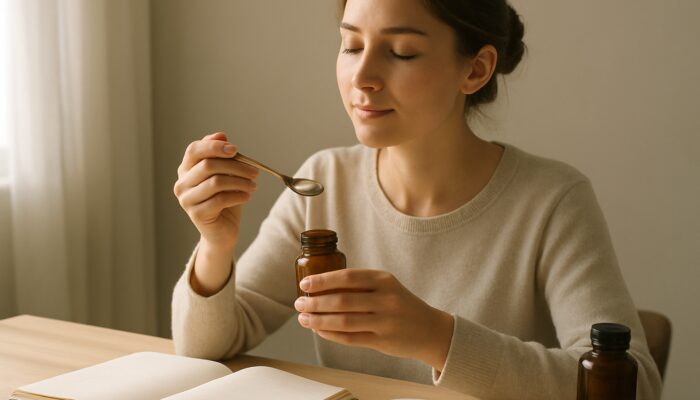
Determining the appropriate dosage for stress-relieving supplements significantly influences their effectiveness. Gradually introducing supplements is often suggested, allowing individuals to observe their body’s reactions over time. Beginning with lower doses and progressively increasing can help identify the optimal amount required for desired results.
For instance, starting with 300 mg of ashwagandha daily and gradually increasing to 600 mg may reveal how the body responds. Similarly, magnesium can be introduced at a lower dose, such as 200 mg, and adjusted according to tolerance and effectiveness. Keeping a journal to monitor symptoms and responses can be advantageous during this process.
Real-life examples illustrate that individuals who take time to adjust their dosages frequently experience better outcomes. By remaining attentive to their body’s reactions, they can discover the right balance that maximizes the benefits of each supplement while minimizing potential side effects.
Factors to Consider for Quality
Choosing reputable brands for stress-relief supplements is essential to ensure product quality and effectiveness. Look for third-party testing and certifications that validate ingredient purity and potency. This scrutiny can help consumers bypass products with fillers or contaminants that could jeopardize their health.
Carefully reading labels is also vital. Ingredients should be clearly identified, and the source of the supplement should be transparent. Brands that emphasize transparency and quality often provide comprehensive information regarding their sourcing and manufacturing processes. Such transparency can instill confidence in consumers making informed selections.
Seeking recommendations from healthcare professionals or trusted sources can help guide individuals toward credible brands. Conducting research and reading user reviews can further inform decisions, ensuring that selected supplements align with personal health objectives and expectations.
Integrating Supplements into a Holistic Lifestyle
Incorporating supplements into a comprehensive lifestyle approach can yield superior outcomes in stress management. Experts often advise combining supplements with dietary changes, regular physical activity, and stress-reduction techniques such as yoga or meditation. This multifaceted strategy addresses the root causes of stress and promotes overall well-being.
For example, combining magnesium supplementation with a nutrient-dense diet can enhance its effects. Engaging in stress-reducing practices like mindfulness meditation can further amplify the calming benefits of supplements. This synergy can lead to improved mental health and resilience over time.
Establishing a consistent routine that embraces these components can facilitate effective stress management. Individuals may find that designating specific times for supplementation, exercise, and relaxation fosters a balanced daily schedule that nurtures long-term mental health and resilience.
How Do These Supplements Alleviate Stress?
Explaining the Mechanisms
The compounds present in stress-relieving supplements influence neurotransmitter activity and hormonal equilibrium, fostering a more stable internal environment during challenging times. For example, ashwagandha functions by lowering cortisol levels, while magnesium aids nerve function and muscle relaxation. Collectively, these actions help alleviate both the physical and emotional symptoms associated with stress.
L-Theanine promotes the production of calming neurotransmitters, fostering tranquility without causing sedation. This unique mechanism allows individuals to maintain focus and clarity while managing stress. Understanding these processes empowers users to select the right supplements aligned with their specific needs and stressors.
The cumulative effects of these supplements can lead to long-term enhancements in mental health. By addressing the fundamental biological processes linked to stress, individuals may develop greater resilience and an overall sense of well-being over time. This holistic approach to stress management can significantly elevate quality of life.
Why Are Omega-3s Important?
Omega-3 fatty acids, typically sourced from fish oil, are known for their anti-inflammatory properties, which can modulate inflammation pathways that often heighten emotional stress. Research indicates that low omega-3 levels correlate with increased anxiety and depression, underscoring their significance in stress management.
Integrating omega-3 supplements into a daily regimen can bolster emotional regulation and overall mental health. These essential fatty acids contribute to brain function and mood stabilization, making them a valuable component of any stress-relief strategy. Regular intake of omega-3s can help individuals feel more balanced and resilient against daily stressors.
For optimal results, it’s advisable to select high-quality omega-3 supplements that provide adequate amounts of EPA and DHA, the two crucial types of omega-3 fatty acids. Consulting with a healthcare provider can help identify the right dosage and formulation based on individual health needs and dietary preferences.
Advantages of Rhodiola
Rhodiola is an adaptogenic herb that enhances energy metabolism and mental endurance, making it particularly beneficial for managing stress. It has been shown to improve the body’s capacity to adapt to emotional and physical stressors, enabling individuals to effectively handle prolonged demands.
Research suggests that rhodiola may enhance cognitive function, diminish fatigue, and elevate mood. Users often discover that incorporating rhodiola into their daily routines helps them maintain focus and energy levels during trying times. Its unique characteristics make it a popular choice among students, professionals, and athletes.
To fully benefit from rhodiola, it’s crucial to select a standardized extract containing a specific concentration of active compounds. Consulting a healthcare provider can assist in determining the right dosage and timing for optimal results, ensuring individuals can effectively leverage its stress-reducing advantages.
Evidence-Based Benefits of Leading Supplements for Stress Management
Overview of Clinical Evidence
Numerous studies have demonstrated substantial improvements in self-reported anxiety levels following regular supplementation with specific natural extracts. For example, clinical trials involving ashwagandha have revealed significant reductions in stress and anxiety among participants. These findings provide compelling support for the effectiveness of natural supplements in managing stress.
Research has also highlighted magnesium’s benefits, indicating that supplementation can lead to decreased anxiety symptoms and enhanced overall mood. Such clinical evidence emphasizes the value of considering these supplements as viable options for stress management, particularly for those interested in natural alternatives to conventional medications.
As the body of research expands, it is evident that natural supplements can significantly contribute to mental health enhancement. Individuals aiming to manage stress effectively can benefit from exploring these options, especially when combined with lifestyle modifications and professional guidance.
Long-Term Benefits
Real-world instances illustrate the lasting mood stability that can result from combining natural supplements with balanced nutrition and restful habits. Many individuals report enduring improvements in their mental well-being after consistently using supplements like ashwagandha, magnesium, and omega-3s, alongside maintaining healthy lifestyle choices.
For instance, those who adopt a holistic approach to stress management frequently experience not only immediate relief but also sustainable benefits. This can include enhanced emotional regulation, improved sleep quality, and greater overall well-being. By addressing both the physiological and psychological dimensions of stress, individuals can attain a more resilient mindset.
The key to achieving long-term success lies in maintaining consistent supplementation and lifestyle practices. Regularly tracking progress and making necessary adjustments can help individuals remain on track, ensuring that their approach to stress management continues to be effective and aligned with their aspirations.
How Does Vitamin D Contribute to Stress Management?
Sufficient levels of vitamin D have been associated with better emotional regulation, according to various observational studies. This essential nutrient is vital for numerous bodily functions, including mood stabilization and immune system support. Low vitamin D levels have been linked to higher rates of anxiety and depression, making supplementation a consideration for those grappling with stress.
Vitamin D can be sourced from sunlight exposure, dietary intake, and supplements. For individuals residing in areas with limited sunlight, particularly during winter months, supplementation may be necessary to maintain adequate levels. Consulting a healthcare provider can determine the optimal dosage and form of vitamin D to bolster mental health.
Incorporating vitamin D into a broader stress management framework can enhance overall well-being. When combined with other supplements and healthy lifestyle choices, vitamin D can help foster a more balanced mood and increase resilience against stressors.
Key Considerations Before Starting Supplements
Conducting a Personal Health Assessment
Before embarking on any supplement regimen for stress relief, performing a personal health assessment is essential. Individual factors such as existing medical conditions, medications, and lifestyle choices are critical in determining the appropriateness and anticipated results of supplementation. Gaining an understanding of these factors can help create a personalized approach to managing stress.
Consulting a healthcare professional can provide valuable insights into which supplements may be most beneficial based on individual health profiles. This assessment allows for a comprehensive understanding of potential interactions and contraindications, ensuring a safe and effective supplementation plan.
Individuals should reflect on their unique stress triggers and lifestyle habits when evaluating their needs. By taking a holistic view of their health, individuals can make informed decisions that align with their goals for stress relief and overall wellness.
Strategic Timing for Supplements
Timing can significantly affect the effectiveness of stress-relieving supplements. Here are some essential considerations for morning versus evening intake schedules tailored to personal energy patterns:
- Morning: Taking energizing supplements like omega-3s and B vitamins can enhance focus and energy levels for the day ahead.
- Evening: Calming supplements such as magnesium and valerian root can foster relaxation and support improved sleep quality.
- Consistency: Establishing a regular schedule aids the body in adapting and maximizing the advantages of each supplement.
- Personalization: Adjusting timing based on individual routines and stress patterns can enhance overall effectiveness.
Being mindful of when to take supplements enables individuals to optimize their stress management strategies. Observing how the body responds to various timings can provide valuable insights for further adjustments, ensuring a tailored supplementation approach.
Tracking Progress Effectively
Regularly monitoring symptoms and adjustments is crucial to ensure that the chosen approach to stress relief remains effective and safe throughout use. Keeping a journal of mood fluctuations, sleep quality, and any side effects can yield valuable feedback for refining personal protocols.
Monitoring progress allows individuals to recognize patterns and make informed choices regarding their supplementation. This may include adjusting dosages, altering timings, or adding new supplements based on observed effects. Being proactive in tracking responses can lead to more effective stress management strategies.
Discussing progress with a healthcare provider can facilitate conversations about any necessary adjustments. This collaborative approach ensures that individuals receive tailored guidance aligned with their health goals and enhances overall well-being.
Considering Potential Interactions
Before beginning any supplement regimen, evaluating potential interactions with existing medications, other supplements, or dietary factors is essential. Some supplements may reduce the effectiveness or cause harmful side effects when combined with specific medications. Consulting a healthcare provider for personalized advice can help navigate these considerations safely.
For example, ashwagandha may interact with medications for anxiety or thyroid conditions, while valerian root can amplify the sedative effects of sleep medications. Recognizing these interactions is crucial for preventing adverse effects and ensuring that selected supplements support overall health objectives.
Individuals should consider their dietary habits, as certain foods can also influence the absorption and effectiveness of supplements. By taking a comprehensive approach to evaluating potential interactions, individuals can create a safe and effective supplement regimen that supports their stress management efforts.
Successfully Integrating Supplements into Your Daily Routine
Establishing Simple Habits
Incorporating supplements into daily routines can significantly enhance consistency and maximize absorption for improved results over time. Pairing supplement intake with meals or existing rituals, such as morning coffee or evening relaxation practices, can help establish a dependable routine.
For example, taking magnesium with dinner can encourage relaxation and enhance sleep quality, while integrating omega-3s into breakfast can sustain energy levels throughout the day. Creating straightforward habits around supplementation can make it easier to remember to take them regularly, leading to improved adherence and outcomes.
Individuals may find that setting reminders or utilizing pill organizers can support consistency. By making supplements a natural aspect of daily routines, individuals can better manage stress and further their overall health goals.
Effective Supplement Combinations
Certain supplement pairings can amplify overall effects based on complementary actions within the body. For instance, combining magnesium with B vitamins can enhance energy metabolism and alleviate fatigue during stressful periods. Similarly, pairing L-Theanine with caffeine can provide a balanced boost in focus and calm.
Other effective combinations include ashwagandha with omega-3s, which can address both hormonal balance and inflammation, contributing to improved mental health. Exploring potential combinations can help individuals customize their supplementation strategies to meet their particular needs and stressors.
When considering combinations, monitoring how the body reacts to different pairings is essential. Keeping a journal of effects can provide valuable insights for refining personal protocols and maximizing each supplement’s benefits.
Tracking Supplement Results
Maintaining a journal documenting mood changes and sleep quality offers valuable feedback for refining personal protocols. Recording daily experiences can assist individuals in recognizing patterns and correlations between supplement intake and stress levels. This practice can lead to more informed decisions regarding adjustments and combinations.
To tracking mood and sleep, individuals can also note any side effects or shifts in energy levels. By paying attention to these factors, individuals can gain a clearer understanding of how their body responds to different supplements and make necessary adjustments for optimal outcomes.
Regularly reviewing journal entries can facilitate discussions with healthcare providers, ensuring individuals receive personalized guidance based on their unique experiences. This collaborative approach can enhance overall effectiveness in managing stress and improving mental well-being.
Considerations for Timing
Choosing the right time of day for each supplement can significantly influence its effectiveness. For instance, taking energizing supplements in the morning can help elevate focus and energy, while calming options should be consumed before bedtime to promote relaxation and enhance sleep quality.
Establishing a regular schedule for supplement intake enables the body to acclimate to their effects. Monitoring how various timings impact mood and energy levels can yield valuable insights for refining personal protocols. This tailored approach ensures that individuals can maximize each supplement’s benefits based on their unique requirements.
Being mindful of individual energy patterns can guide timing decisions. For example, individuals experiencing afternoon fatigue may benefit from taking certain supplements earlier in the day to sustain consistent energy levels. By aligning supplement intake with personal rhythms, individuals can enhance overall effectiveness in stress management.
Managing Supplement Dosages
Starting with smaller doses of new supplements and gradually increasing over several weeks allows the body to adapt properly. This gradual approach helps individuals monitor tolerance levels and identify any potential side effects that may arise. The mantra of starting low and going slow is common in supplementation.
For instance, beginning with 100 mg of L-Theanine and slowly increasing to 200 mg can help gauge its effects on anxiety and focus. Similarly, individuals can start with a lower dose of magnesium and adjust based on their body’s response. Keeping a journal during this process can provide valuable insights for further adjustments.
Regularly reassessing dosages and observing how the body reacts can yield optimal results. Individuals should feel empowered to make modifications based on their experiences, ensuring their supplementation strategy aligns with their stress management goals.
Frequently Asked Questions
Which supplements are most effective for reducing stress?
The leading supplements for stress relief include ashwagandha, magnesium, L-Theanine, valerian root, and omega-3 fatty acids. Each possesses unique attributes that can aid in stress management and enhance overall mental health.
How long until I notice stress reduction from supplements?
The duration required to observe stress reduction from supplements varies by individual and the type of supplement. Many users report noticeable effects within a few weeks, while others may need more time to experience significant changes.
Are there side effects associated with these supplements?
While many stress-relieving supplements are generally safe, some individuals may encounter side effects. Common issues can include digestive disturbances, drowsiness, or interactions with medications, so consulting a healthcare provider is advisable.
Is it safe to combine multiple supplements?
Yes, many individuals can safely take multiple supplements for stress relief. monitoring for potential interactions and consulting a healthcare provider is vital to ensure a safe and effective regimen.
Can I take supplements long-term safely?
Many stress-reducing supplements can be used long-term, but it’s essential to periodically reassess their effectiveness and consult a healthcare provider for ongoing guidance, particularly if health conditions or medications change.
How do I determine the right supplement for me?
Selecting the appropriate supplement depends on individual health requirements, stress triggers, and lifestyle factors. Consulting with a healthcare provider can assist in tailoring recommendations based on personal circumstances.
Does diet affect the efficacy of these supplements?
Yes, diet can significantly influence the effectiveness of supplements. A balanced diet rich in whole foods can enhance the benefits of stress-relieving supplements and support overall mental health.
What lifestyle changes can complement supplement use?
Incorporating stress management practices such as yoga, meditation, and regular exercise can enhance the effects of supplements. maintaining a balanced diet and good sleep hygiene is crucial for optimal results.
What dosage guidelines should I follow?
Dosage recommendations vary by supplement and personal needs. It’s advisable to start with lower doses and gradually increase based on individual tolerance and effectiveness, consulting a healthcare provider for guidance.
How can I effectively track my progress with supplements?
Keeping a journal to document mood changes, sleep quality, and any side effects can aid in tracking progress with supplements. Regularly reviewing this information can inform adjustments and enhance stress management strategies.