


Comprehensive Insights into Thyroid Hormone Production
Essential Anatomy of the Thyroid Gland
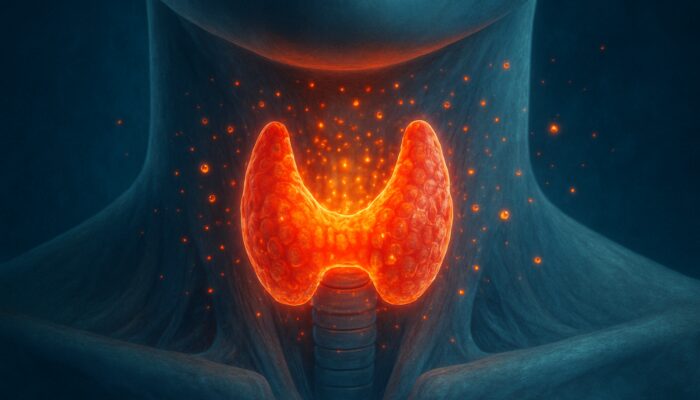
The thyroid gland, situated in the neck, is vital for maintaining metabolic equilibrium by synthesizing hormones like thyroxine (T4) and triiodothyronine (T3). These hormones are crucial for regulating a variety of bodily functions, including metabolism, energy levels, and overall health. For diverse populations, ensuring optimal thyroid function is fundamental to achieving balanced health outcomes on a daily basis.
The thyroid’s complex structure features follicles that store thyroid hormones and parafollicular cells that secrete calcitonin. The gland’s responsiveness to the body’s requirements is particularly important in regions where iodine deficiency is a widespread issue. Grasping thyroid anatomy is essential for understanding how supplements can enhance its function.
Identifying Symptoms of Thyroid Imbalances
People with thyroid imbalances may experience a range of symptoms, including fatigue, weight changes, emotional fluctuations, and hair thinning. These indicators can suggest either hypothyroidism or hyperthyroidism, both of which can profoundly affect daily life. Early recognition of these symptoms can lead to timely interventions, including dietary adjustments.
Globally, there is a rising awareness regarding thyroid health. Those experiencing these symptoms should consider consulting healthcare professionals who can propose tailored nutritional strategies to support thyroid function and enhance overall well-being.
Key Lifestyle Factors Influencing Hormone Regulation
Thyroid hormone production is shaped by several lifestyle elements, including diet, stress management, and sleep quality. A nutritious diet that is rich in essential nutrients bolsters hormone synthesis, while chronic stress can negatively impact thyroid performance. Practices like mindfulness and regular exercise can promote hormonal balance and encourage steady thyroid activity.
Recognizing these factors empowers individuals to take proactive measures in preserving their thyroid health. By emphasizing lifestyle modifications, people can create conditions that favor optimal hormone production and diminish the likelihood of imbalances.
The Significance of Iodine Intake

Iodine is a fundamental nutrient for the synthesis of thyroid hormones, as it is a critical component of T3 and T4. Adequate iodine intake is necessary for regulating metabolism and maintaining energy balance. Worldwide, iodine deficiency continues to be a public health issue, particularly in areas where iodized salt is not commonly utilized.
Integrating iodine-rich foods such as seaweed, fish, dairy products, and eggs into the diet can help ensure adequate levels. For those who are unable to fulfill their iodine requirements through food, supplements can serve as a viable alternative to effectively support thyroid function.
Understanding Peripheral Hormone Conversion
The transformation of inactive T4 into active T3 primarily occurs in peripheral tissues, such as the liver and kidneys. This conversion is crucial for optimal metabolic function, as T3 is responsible for managing energy levels and overall metabolism. Factors such as selenium status and the availability of nutrients can significantly affect this process.
Ensuring sufficient intake of nutrients that facilitate this conversion process, like selenium and zinc, can enhance thyroid function. By addressing peripheral hormone conversion, individuals can support improved metabolic health and energy levels throughout their bodies.
Essential Nutrients for Optimal Thyroid Function
The Role of Iodine in Hormone Synthesis

Iodine is the foundational element required for the production of thyroid hormones. Without adequate iodine, the body cannot generate sufficient amounts of T3 and T4, leading to metabolic dysfunction. This deficiency can impact individuals across all age groups, from infants to the elderly, underscoring the necessity of maintaining appropriate iodine levels.
To bolster thyroid health, individuals should prioritize incorporating iodine-rich foods into their diets. Options include sea vegetables, fish, dairy, and iodized salt. For those at risk of deficiency, iodine supplementation may be considered under professional supervision to promote optimal thyroid function.
Benefits of Selenium as an Antioxidant
Selenium is crucial for safeguarding thyroid tissue from oxidative stress and inflammation. It is also essential for converting T4 into T3, ensuring that the body has access to active thyroid hormones when necessary. The antioxidant properties of selenium contribute to maintaining thyroid health and overall metabolic function.
Incorporating selenium-rich foods such as Brazil nuts, fish, and whole grains into the diet can support thyroid activity. For individuals with specific dietary restrictions, selenium supplementation may be beneficial, but it is vital to consult with a healthcare provider to determine the appropriate dosage.
The Role of Zinc in Thyroid Regulation
Zinc is another essential mineral that supports thyroid hormone production and regulation. It facilitates hormone binding and receptor interactions, which are critical for effective signaling within metabolic pathways. A deficiency in zinc can result in diminished thyroid function and an increased risk of imbalances.
To boost zinc intake, individuals can include foods such as meat, shellfish, legumes, nuts, and seeds in their diets. Supplementation may also be considered for those with inadequate dietary intake, ensuring optimal thyroid performance and metabolic health.
How Do Vitamins Contribute to Thyroid Function?
The Immune-Related Benefits of Vitamin D
Vitamin D significantly impacts immune modulation, which can indirectly support thyroid health. Research indicates that maintaining adequate levels of vitamin D may help reduce inflammation and autoimmune responses that could adversely affect thyroid function. This is especially crucial for individuals with autoimmune thyroid disorders, such as Hashimoto’s thyroiditis.
To optimize vitamin D levels, individuals should aim for sunlight exposure and consume vitamin D-rich foods like fatty fish, fortified dairy products, and egg yolks. For those in areas with limited sunlight, vitamin D supplementation may be necessary to sustain optimal thyroid function and overall health.
B Vitamins for Energy Metabolism
B vitamins are vital for energy metabolism and serve a critical role in thyroid function. Notably, B12 and B6 are important for sustaining healthy energy levels and supporting the production of thyroid hormones. These vitamins aid in converting food into energy, ensuring the body meets its metabolic demands.
Incorporating various B vitamin-rich foods, such as whole grains, legumes, meat, and leafy greens, can enhance thyroid health. For individuals with specific dietary restrictions or deficiencies, B vitamin supplementation may be beneficial to improve overall energy and metabolic function.
The Importance of Vitamin A for Iodine Utilization
Vitamin A is essential for the absorption and utilization of iodine within the thyroid gland. It boosts the efficiency of hormone production and release, promoting optimal thyroid function. A deficiency in vitamin A can compromise thyroid activity and lead to metabolic complications.
To support adequate vitamin A levels, individuals should consume foods high in this nutrient, such as carrots, sweet potatoes, spinach, and liver. If dietary intake is insufficient, vitamin A supplementation may be necessary, but it is crucial to consult a healthcare professional for appropriate guidance.
Expert Perspectives on How Supplements Enhance Thyroid Function
Criteria for Selecting Supplements
When choosing supplements to support thyroid function, it is vital to consider individual needs and specific nutrient deficiencies. Real-world examples illustrate that a combination of iodine, selenium, and zinc can maximize thyroid performance. These nutrients work together to boost hormone production and conversion, fostering overall metabolic health.
Consultation with healthcare professionals can offer personalized recommendations based on individual evaluations. This customized approach ensures that supplementation aligns with specific health objectives and effectively addresses any underlying deficiencies.
Guidelines for Safe Dosage
Establishing the correct dosage of thyroid-supporting supplements is essential for ensuring safety and efficacy. Individual assessments, including blood tests and dietary reviews, can inform dosage decisions. Avoiding excessive intake is crucial, as it can result in adverse effects and disrupt hormonal balance.
While most supplements provide recommended dosages, individual requirements may differ. Consulting with a healthcare provider can help determine safe and effective intake levels, enabling individuals to achieve desired support outcomes without jeopardizing their health.
Methods for Monitoring Progress
Regular evaluations of hormonal changes are essential for assessing the effectiveness of chosen supplementation strategies. Healthcare professionals can recommend blood tests to monitor thyroid hormone levels and detect any imbalances. This proactive strategy allows for timely adjustments to supplementation plans as necessary.
Keeping a health journal can also assist individuals in tracking their symptoms, dietary modifications, and supplement intake. This information can offer valuable insights for healthcare providers, ensuring sustained benefits from supplementation and overall thyroid health.
How Does Absorption Impact Supplement Effectiveness?
The Influence of Gut Health
The condition of the digestive system significantly affects nutrient absorption, which is crucial for thyroid function. A healthy gut facilitates effective nutrient delivery to the thyroid gland, ensuring that essential vitamins and minerals are available for hormone production. Conditions like leaky gut or dysbiosis can impede this process, resulting in potential deficiencies.
Promoting gut health through a balanced diet, probiotics, and fiber can improve nutrient absorption. Individuals should include gut-friendly foods, such as yogurt, kefir, and fermented vegetables, to support their overall thyroid health and nutrient utilization.
Recommendations for Timing Supplement Intake
Strategically timing the intake of supplements can enhance bioavailability and improve their effectiveness in supporting thyroid function. For example, consuming fat-soluble vitamins like A, D, E, and K with meals that contain healthy fats can optimize absorption. certain minerals may be better absorbed when taken at specific times throughout the day.
Establishing a consistent supplement schedule can help individuals seamlessly integrate them into their daily routines. Consulting healthcare professionals can provide personalized timing recommendations based on individual needs and dietary behaviors.
Avoiding Interactions for Optimal Absorption
Certain food components can impede the absorption of thyroid-supporting supplements, making awareness essential for ensuring consistent nutrient delivery. For instance, calcium and iron can interfere with the absorption of iodine and other minerals when consumed together.
To maximize nutrient uptake, individuals should space out supplement intake from meals high in these components. limiting excessive consumption of goitrogenic foods, such as raw cruciferous vegetables, can help maintain thyroid function and enhance the effectiveness of supplements.
Research-Backed Advantages of How Supplements Support Thyroid Function
Insights from Scientific Studies
Research has shown that the regular use of certain minerals, such as selenium and iodine, can enhance thyroid hormone levels and stabilize endocrine function. Studies indicate that individuals with thyroid disorders frequently benefit from targeted supplementation, resulting in improved overall health outcomes.
For example, a study published in the Journal of Clinical Endocrinology revealed that selenium supplementation elevated T3 levels in patients with autoimmune thyroiditis. This evidence underscores the potential advantages of integrating supplements into a holistic approach to thyroid health.
Long-Term Health Benefits
Consistent supplementation of key nutrients correlates with improved energy management and reduced symptoms associated with thyroid dysfunction. Individuals who maintain regular nutrient intake often report heightened vitality and overall wellness, supporting sustained health across various populations.
Long-term studies suggest that those who prioritize thyroid health through supplementation encounter fewer complications and an enhanced quality of life. This highlights the significance of a proactive approach to thyroid function and the role that supplements can play in achieving optimal results.
What Are the Potential Side Effects of Supplements?
While supplements can provide considerable benefits, it is important to recognize potential side effects. Excessive intake of certain nutrients can disrupt thyroid balance, leading to complications such as hyperthyroidism or nutrient imbalances. Monitoring intake levels and consulting healthcare professionals when necessary is essential.
Common side effects may include nausea, fatigue, or hormonal disruptions. Individuals should remain attentive and seek medical advice if they experience any adverse reactions to supplements, ensuring safe application while protecting thyroid health.
The Impact on Metabolic Rates
Clinical studies have indicated that regular intake of key supplements can enhance metabolic rates by improving thyroid hormone conversion and receptor sensitivity. This leads to increased energy expenditure and sustainable health improvements across diverse populations, promoting overall wellness.
Research supports the idea that targeted supplementation can significantly influence metabolic regulation. By optimizing thyroid function, individuals can experience heightened energy levels and improved physical performance, contributing to a healthier lifestyle.
What Lifestyle Factors Enhance Supplement Effectiveness?
Techniques for Reducing Stress
Mitigating chronic stress is critical for supporting the connection between adrenal function and thyroid health, amplifying the positive effects of nutritional interventions. Elevated stress levels can disrupt thyroid hormone regulation, adversely affecting overall health. Implementing stress reduction techniques can enhance the effectiveness of supplements designed to support thyroid function.
Practices like yoga, meditation, and deep breathing exercises can effectively help individuals manage stress. By prioritizing mental wellness, people can create a nurturing environment for their thyroid health, maximizing the benefits of their supplementation strategies.
Strategies for Integrating Exercise
Regular physical activity complements the effects of supplements by improving circulation and hormone sensitivity throughout the body. Exercise has been shown to elevate thyroid hormone levels, fostering better metabolic function and overall health. Incorporating exercise into daily routines can amplify the positive impacts of nutritional interventions.
Individuals should strive to integrate a mix of cardiovascular, strength training, and flexibility exercises into their weekly schedules. This comprehensive approach not only supports thyroid health but also contributes to overall physical and mental well-being.
The Significance of Quality Sleep
Sufficient rest is essential for recovery processes that synergize with supplements to maintain optimal thyroid function. Poor sleep quality can lead to hormonal imbalances, worsening thyroid issues and diminishing the effectiveness of supplementation. Prioritizing sleep hygiene can greatly enhance thyroid health and overall wellness.
Establishing a calming bedtime routine, reducing screen time before sleep, and adhering to a consistent sleep schedule can improve sleep quality. By ensuring adequate restorative sleep, individuals can bolster their thyroid health and maximize the advantages of their nutritional strategies.
Proven Strategies for Supporting Thyroid Function with Supplements
Creating Personalized Supplement Protocols
Developing personalized supplementation protocols can yield superior results for individuals aiming to enhance thyroid function. Real-world examples demonstrate that customized plans, tailored to specific metabolic profiles and nutrient requirements, can significantly improve overall health and well-being.
Collaborating with healthcare professionals to design individualized protocols ensures that specific deficiencies are effectively addressed. This approach not only enhances thyroid health but also fosters a deeper understanding of each person’s unique needs.
Utilizing Combination Approaches
Effectively blending multiple nutrients can enhance the overall effectiveness of thyroid support. For instance, combining iodine, selenium, and zinc can create a synergistic effect, promoting optimal hormone production and conversion. This strategic approach allows individuals to maximize the benefits of their supplementation.
Monitoring the compatibility of different nutrients is crucial to prevent potential interactions. Consulting with healthcare professionals can provide guidance on effective combinations and ensure that supplementation aligns with personal health goals.
The Importance of Professional Consultation
Seeking expert advice is vital for ensuring that supplementation strategies align with individual health objectives safely. Healthcare professionals can offer valuable insights on when to begin supplementation, how to monitor progress, and when to make necessary adjustments. This collaborative approach fosters a comprehensive understanding of thyroid health.
Regular consultations help individuals stay informed about the latest research and best practices. By working closely with professionals, individuals can optimize their supplementation strategies and achieve improved health outcomes.
Choosing Evidence-Based Supplements
Reviewing the latest scientific findings supports the use of specific supplements for promoting thyroid health. Focusing on accurate dosage recommendations, potential interactions with medications, and methods to ensure safe and effective long-term supplementation practices is vital for optimal results.
Staying updated on current research empowers individuals to make informed decisions regarding their supplementation strategies. This evidence-based methodology not only enhances thyroid health but also promotes overall vitality and well-being.
Risks and Considerations for Thyroid Supplementation
Warnings Against Over-Supplementation
Excessive supplementation can disturb natural balances, leading to complications that require careful management. It is essential to adhere to recommended dosages and consult healthcare professionals before starting any supplementation regimen. Over-supplementation can result in adverse effects, including hormonal imbalances.
Monitoring intake levels and being aware of signs of over-supplementation is crucial. By prioritizing safety and following professional guidance, individuals can effectively support their thyroid function without compromising their health.
Choosing Quality Products
Selecting trustworthy sources for supplements is essential to ensure purity and efficacy. Low-quality products may contain contaminants or inadequate active ingredients, compromising the intended benefits for thyroid health. Conducting research on brands and reading customer reviews can assist individuals in making informed choices.
Opting for third-party tested supplements can provide additional assurance of quality. By prioritizing high-quality products, individuals can attain their desired outcomes and effectively support their thyroid function.
Individual Variability and Response to Supplements
Genetic and health differences imply that responses to supplements can vary widely among individuals. Factors such as age, sex, and pre-existing health conditions can influence how the body processes and utilizes nutrients. Tailored approaches are necessary to achieve the best results for each individual.
Consulting with healthcare professionals can help individuals navigate these variables and create personalized supplementation plans. This individualized approach ensures that each person’s unique needs are addressed effectively.
Importance of Monitoring and Blood Testing
Regular monitoring of hormone levels through blood tests is essential for the early detection of any imbalances caused by supplements. This proactive strategy allows for timely medical interventions and necessary adjustments to maintain safe and optimal thyroid function.
Collaborating with healthcare providers to establish a monitoring schedule can yield valuable insights into thyroid health. By staying informed about hormone levels, individuals can make educated decisions regarding their supplementation strategies.
Awareness of Potential Side Effects
Recognizing potential side effects, such as nausea, fatigue, or hormonal disruptions, is crucial for identifying issues early. Individuals should remain vigilant and seek medical advice if they experience any adverse reactions to supplements, ensuring safe application while maintaining thyroid health.
Educating oneself about the possible side effects of specific supplements can help individuals make informed choices. By being proactive and knowledgeable, individuals can effectively mitigate risks associated with thyroid supplementation.
Frequently Asked Questions
What are the primary functions of the thyroid gland?
The thyroid gland regulates metabolism, energy levels, and overall hormonal balance by producing hormones like T3 and T4, which influence numerous bodily functions.
How can I assess if my thyroid is functioning properly?
Common indicators of thyroid dysfunction include fatigue, weight fluctuations, mood swings, and hair loss. Consulting a healthcare professional for blood tests can provide a definitive evaluation.
Which foods are beneficial for thyroid health?
Foods rich in iodine, selenium, and zinc, such as fish, dairy, nuts, and whole grains, can promote thyroid function and overall health.
Can supplements aid in managing thyroid disorders?
Yes, specific supplements like iodine, selenium, and zinc can support thyroid function, particularly in individuals with deficiencies or thyroid disorders.
What is the recommended daily intake of iodine?
The recommended daily iodine intake varies by age and life stage, but adults typically require about 150 micrograms per day for optimal thyroid function.
Are there risks associated with thyroid supplementation?
Potential risks include over-supplementation, which can disrupt hormonal balance and lead to complications. It’s essential to consult a healthcare provider for appropriate guidance.
What role does selenium play in maintaining thyroid health?
Selenium protects thyroid tissue from oxidative stress and is vital for converting T4 to T3, ensuring adequate levels of active thyroid hormones.
How can I improve my gut health for enhanced nutrient absorption?
Incorporating probiotics, fiber-rich foods, and maintaining a balanced diet can enhance gut health, leading to improved nutrient absorption for thyroid function.
Is regular exercise beneficial for thyroid health?
Yes, consistent physical activity can elevate thyroid hormone levels, enhance metabolic function, and complement the effects of thyroid-supporting supplements.
When should I seek professional advice regarding my thyroid health?
Consult a healthcare professional if you experience symptoms of thyroid dysfunction, have concerns about supplementation, or require personalized guidance on managing your thyroid health.