Building Your Content Marketing Workflow

Posted on: 2026-05-04
By: Geoff lord
What if your content marketing strategy could drive measurable growth without the overwhelm? By establishing a clear workflow and aligning your objectives with your audience's needs, you can transform your content approach into a powerful tool that not only engages but also converts.
What You Will Learn
- Setting SMART goals is crucial for guiding your content marketing efforts effectively.
- Understanding your target audience's demographics, interests, and pain points is key to creating resonant content.
- Aligning your content strategy with broader business objectives ensures every piece of content serves a purpose.
- A streamlined content creation process improves efficiency through structured phases: research, planning, creation, review, and publishing.
- Tracking performance metrics helps measure success and adapt strategies based on insights gathered.
- Engaging with your community fosters collaboration and can lead to valuable feedback for continuous improvement.
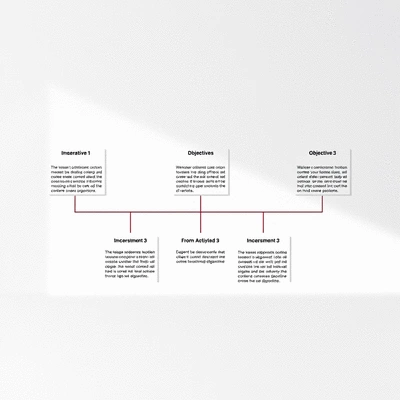
Key Stages of Content Creation Workflow
This visual outlines the essential stages involved in a content creation workflow, enhancing efficiency and quality in content marketing.
Research Phase
Gather insights and market data.
Planning Phase
Structure your editorial calendar for success.
Creation Phase
Tips for efficient content drafting and blogging.
Review Phase
Edit for quality and consistency.
Publishing Phase
Best practices for content distribution and promotion.
Crafting Your Content Marketing Workflow: Starting with Clear Objectives
When it comes to content marketing, having clear objectives is like having a map for a road trip. You wouldn’t set out without knowing your destination, right? Defining what you want to achieve with your content not only clarifies your path but also keeps you focused on what truly matters. At Marketing-Tutor/Ezistack, we emphasize the importance of setting specific, measurable, achievable, relevant, and time-bound (SMART) goals.
To kick-start your journey, you might consider goals such as increasing website traffic, boosting engagement, generating leads, or enhancing brand awareness. Each of these objectives will guide your content creation efforts and help you measure success.
Identifying Your Content Goals and Target Audience
The next step is identifying your target audience and understanding their needs. Who are you speaking to? What problems are you solving? Knowing this will allow you to create content that resonates with them. Here are a few key points to consider:
- Demographics: Age, gender, location, and profession.
- Interests: What topics engage them the most?
- Pain Points: What challenges do they face that your content can address?
At Marketing-Tutor/Ezistack, we often conduct audience surveys or utilize tools like Google Analytics to gather insights. This way, we ensure our content not only attracts but also engages the right people!
Aligning Your Content Strategy with Business Objectives
Once your goals and audience are clear, it's time to align your content strategy with your broader business objectives. This means ensuring that every piece of content you create serves a purpose that ties back to your mission. Some alignment strategies include:
- Regularly reviewing business goals: Adjust your content to reflect any changes.
- Creating content pillars: Focus on a few central themes that support your objectives.
- Tracking performance: Use analytics to see how well your content achieves your goals.
By aligning your content efforts with your business aims, you set yourself up for success! This strategic approach avoids wasted resources and ensures you’re not just creating content for the sake of it.
Streamlining Your Content Creation Process: Key Workflow Stages
With your objectives in place, it’s time to streamline your content creation process. A clear workflow can significantly improve efficiency and quality, allowing you to focus on what you do best—connecting with your audience. Let’s break it down into key stages:
- Research Phase: Gather insights and market data.
- Planning Phase: Structure your editorial calendar for success.
- Creation Phase: Tips for efficient content drafting and blogging.
- Review Phase: Edit for quality and consistency.
- Publishing Phase: Best practices for content distribution and promotion.
By following these stages, you can establish a robust framework that simplifies your workflow. When you have a plan, you’ll find that creating compelling content becomes not only easier but also more enjoyable!
Pro Tip
To maximize the effectiveness of your content marketing workflow, consider implementing a feedback loop. Regularly solicit input from your target audience and team members to refine your content strategy. This collaborative approach not only enhances the quality of your content but also fosters a sense of community and shared ownership in your marketing efforts!
Summarizing Your Path to a Winning Content Marketing Workflow
So, you've navigated the intricate landscape of content marketing, and now it's time to bring everything together. A successful content marketing workflow hinges on several key components that can elevate your business's online presence. Here’s a quick recap of what we've covered:
- Clear objectives: Establishing what you want to achieve with your content.
- Target audience: Identifying who you are speaking to and tailoring your messages accordingly.
- Streamlined process: Following the stages of research, planning, creation, review, and publishing.
- SEO tools: Utilizing keyword research and analytics to enhance performance.
- Team roles: Defining responsibilities to ensure effective collaboration.
- Performance measurement: Tracking KPIs to gauge success and make necessary adjustments.
With these components in mind, you're well-equipped to build a workflow that not only supports your content goals but also aligns seamlessly with your business objectives. Remember, the goal is to create content that resonates with your audience while achieving measurable results!
Next Steps: Implementing Your Customized Workflow for Entrepreneurs
Now that you have a solid understanding of the essential elements in your content marketing workflow, it’s time to put everything into action! Start by customizing your workflow to meet the unique needs of your business. Here are some practical steps to consider:
- Create a content calendar: Outline topics, deadlines, and assign tasks to team members.
- Set specific goals: Define what success looks like for each piece of content.
- Leverage tools: Use project management software like Trello or Asana to keep everyone on track.
- Establish feedback loops: Encourage collaboration and invite input from team members to refine your content.
By following these steps, you’ll set the stage for a more efficient and effective content marketing strategy. This hands-on approach will not only help you stay organized but also enhance your ability to connect with your audience meaningfully!
Engaging with the Community: Sharing Your Experiences
As you implement your content marketing workflow, don’t forget about the power of community. Engaging with fellow entrepreneurs and freelancers can provide valuable insights and support. Here’s how you can foster that connection:
Encouraging Feedback and Collaboration among Freelancers and Entrepreneurs
Feedback is a gift! Encourage your peers to share their experiences and insights regarding what works for them. Consider initiating discussions on platforms like LinkedIn or even in dedicated forums. Here are a few ways to gather feedback:
- Join online communities: Look for groups focused on content marketing and share your workflow for suggestions.
- Host peer reviews: Organize sessions where you review each other’s content strategies and provide constructive feedback.
- Use social media: Create polls or ask questions to gather opinions from your network.
By fostering open communication and collaboration, you not only enhance your own strategy but also contribute to building a supportive network of like-minded professionals!
Utilizing Case Studies to Showcase Transformation and Success Stories
Nothing speaks louder than success stories! Sharing case studies of your content marketing efforts can inspire others and establish your credibility. Here’s how to effectively highlight those stories:
- Document your process: Share the journey, including challenges faced and how you overcame them.
- Highlight key results: Include metrics that demonstrate the effectiveness of your strategy, such as increased engagement or website traffic.
- Use visuals: Incorporate charts or infographics to make your case studies more engaging and easier to digest.
By showcasing your transformations, you not only validate your expertise but also offer tangible examples of how effective content marketing can drive success. Sharing these stories can spark inspiration and motivate others to follow suit!
Moving Forward: Continuous Improvement in Your Content Strategy
Content marketing is an ever-evolving field, and staying ahead requires a commitment to continuous improvement. Let’s explore how you can keep your strategy fresh and effective!
Staying Updated with Industry Trends and Tools for Better Engagement
The digital landscape changes rapidly, and it’s crucial to keep your content strategy aligned with the latest trends. Here are some tips to stay informed:
- Follow industry leaders: Subscribe to newsletters, blogs, and podcasts from top marketing experts.
- Attend webinars and conferences: Networking with peers and learning about emerging trends can provide fresh perspectives.
- Experiment with new tools: Regularly explore new software and platforms that can enhance your content creation and distribution.
Staying updated not only helps you adapt to changes but also positions you as an authority in your niche. This proactive approach can lead to more impactful content that resonates with your audience!
Exploring New Content Formats and Techniques: The Role of Video Marketing and User-Generated Content
As you refine your content strategy, consider diversifying your formats. Video marketing and user-generated content (UGC) are two areas that can significantly boost engagement:
- Invest in video content: Create videos to explain concepts, provide tutorials, or share testimonials.
- Encourage UGC: Invite your audience to share their experiences with your brand, fostering community and authenticity.
- Mix formats: Combine blogs, podcasts, and videos to cater to different preferences within your audience.
By embracing diverse content formats, you'll not only engage a broader audience but also keep your content fresh and relevant. Innovation is key to standing out in a crowded marketplace!
Recap of Key Points
Here is a quick recap of the important points discussed in the article:
- Set Clear Objectives: Establish specific, measurable, achievable, relevant, and time-bound (SMART) goals for your content marketing.
- Identify Target Audience: Understand the demographics, interests, and pain points of your audience to create relevant content.
- Align Content Strategy: Ensure your content supports broader business objectives and regularly review your goals.
- Streamline Content Creation: Follow the key workflow stages: research, planning, creation, review, and publishing.
- Leverage SEO Tools: Utilize keyword research and analytics to enhance your content performance.
- Define Team Roles: Clearly outline responsibilities within your team for improved collaboration.
- Measure Performance: Track key performance indicators (KPIs) to assess success and adjust strategies as necessary.

FAQs
- What are SMART goals in content marketing? SMART goals are specific, measurable, achievable, relevant, and time-bound objectives that help guide your content marketing efforts.
- How can I identify my target audience? You can identify your target audience by analyzing demographics, interests, and pain points through surveys and tools like Google Analytics.
- What key stages should be included in a content creation workflow? Key stages include research, planning, creation, review, and publishing.
- Why is it important to align content strategy with business objectives? Aligning your content strategy with business objectives ensures that every piece of content serves a purpose and contributes to your overall mission.
- How can I measure the success of my content marketing? You can measure success through performance metrics, tracking key performance indicators (KPIs), and analyzing audience engagement and feedback.

 Google's May Update Continues Its Core Update. What do these signals mean for your content?
Google'
Google's May Update Continues Its Core Update. What do these signals mean for your content?
Google'
 What Google's AI Search Crackdowns New Spam Rules Mean for Your SEO Strategy
Google's AI Search Cra
What Google's AI Search Crackdowns New Spam Rules Mean for Your SEO Strategy
Google's AI Search Cra
 Why Traditional Rankings No Longer Tell the Full Story Because of The AI Visibility Gap
Every week,
Why Traditional Rankings No Longer Tell the Full Story Because of The AI Visibility Gap
Every week,